Why it’s so expensive to be a CPO
Running a charging network looks simple from the outside. You buy the chargers, plug them in, and start collecting revenue. Easy.
Except it isn’t.
For most Charge Point Operators, hardware is just the beginning. The real cost lies in everything that follows: installation, service calls, downtime, compliance, and software fees. The total cost of ownership – or TCO – is what separates a profitable network from one that slowly bleeds cash.
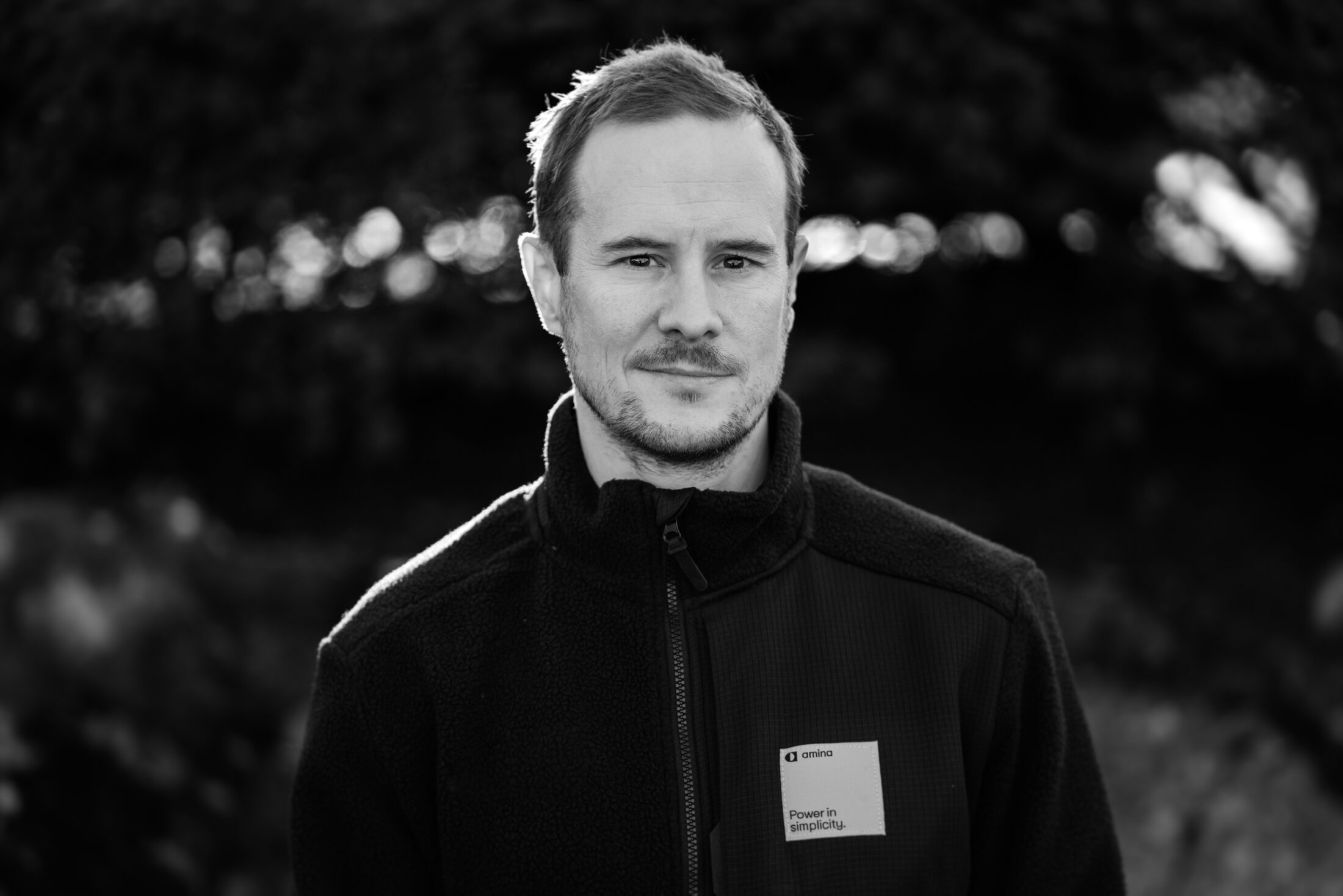
“Most of our customers have done their homework on the obvious costs like charger price, installation materials, downtime, and support,” says Øystein Tveterås, Product Manager at amina. “Support is often the biggest cost driver. But what’s often underestimated is the risk of building services on vertically integrated systems.”
He explains that dependency on a manufacturer’s cloud, proprietary load management, or app ecosystem can quickly become a financial trap. When those services are discontinued or repriced, operators are left exposed or locked in.
“We’ve seen examples in the EV and IoT space where providers lose control when manufacturers pull the plug on their services. Even without bad intent, these vertically integrated models aren’t sustainable unless they keep generating revenue,” he adds.
According to Tveterås, this also affects the long-term value of a charging portfolio:
“Networks are being bought, sold, and merged all the time. If your chargers are tied to a proprietary platform, it’s hard to transfer operations to a new owner. That makes your assets less liquid and worth less in a fast-changing industry.”
The cheapest charger rarely stays cheap
Many CPOs learn this the hard way. A low upfront price looks good in Excel, but after a few months the hidden costs start showing: installation that takes twice as long, unstable connections, calibration headaches, or chargers that need replacing sooner than expected.
At amina, we believe the only way to lower TCO is to simplify everything. Every part, process, and dependency that can break, or cost time, has been stripped back. “From day one, we designed our products for CPO operations and CPMS integration,” says Tveterås.
“We saw early on that few operators made money on AC charging – so lowering TCO became the main goal for amina.”
That mindset has shaped every engineering decision:
“We built what we call the industry’s best 4G solution – because poor connectivity was the number one problem operators reported. We use native OCPP strictly following OCA standards, with embedded software focused on stability, and robust, cost-optimised hardware. Add to that fast, simple installation with preconfigured OCPP settings, and you save both time and cost across the entire value chain.”
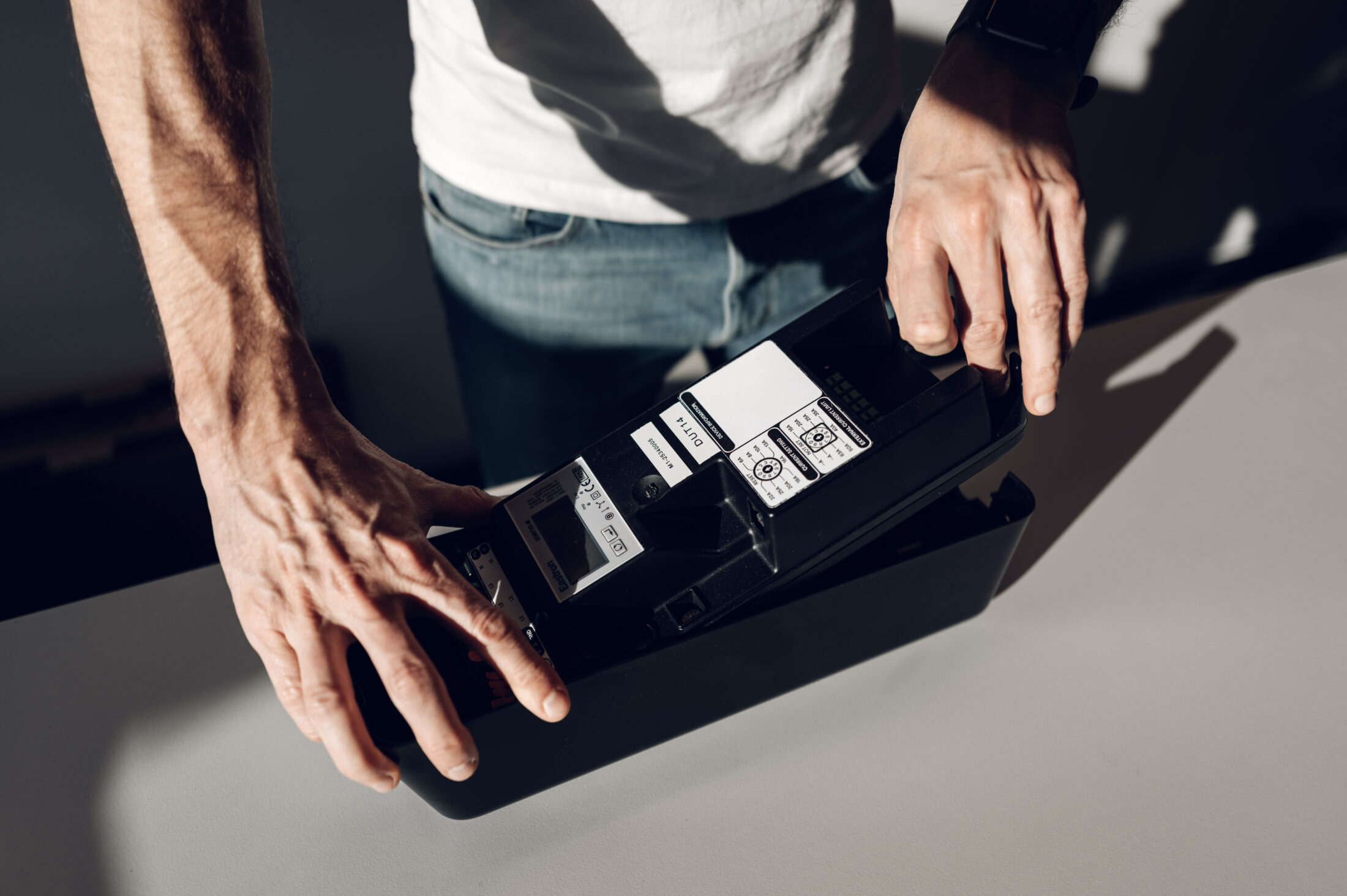
Built for lower cost from day one
- Fast installation. Simple mounting and setup mean less time on site — and fewer surprises for electricians.
- Market-leading connectivity. Stable 4G means fewer service calls and happier drivers.
- Direct OCPP. No fragile cloud layers or middle services. Less risk, less latency.
- High build quality. Long life, minimal downtime, low maintenance.
- Custom builds with low MOQ. Less capital tied up in inventory, faster roll-out.
Commissioning that saves hours
Each amina charger leaves the factory fully configured. That means no long commissioning sessions or complex setup in the field – it’s plug, connect, and charge.
“Many of our competitors have solid solutions that installers are used to,” says Tveterås.
“The value of pre-provisioning shouldn’t be overstated – but it’s still an important cost-reducing element among many.”
Compliance that protects your margins
MID compliance and calibration aren’t optional – but they can be costly. amina M handles that upfront, with full compliance built in. No external meters, no recertification stress.
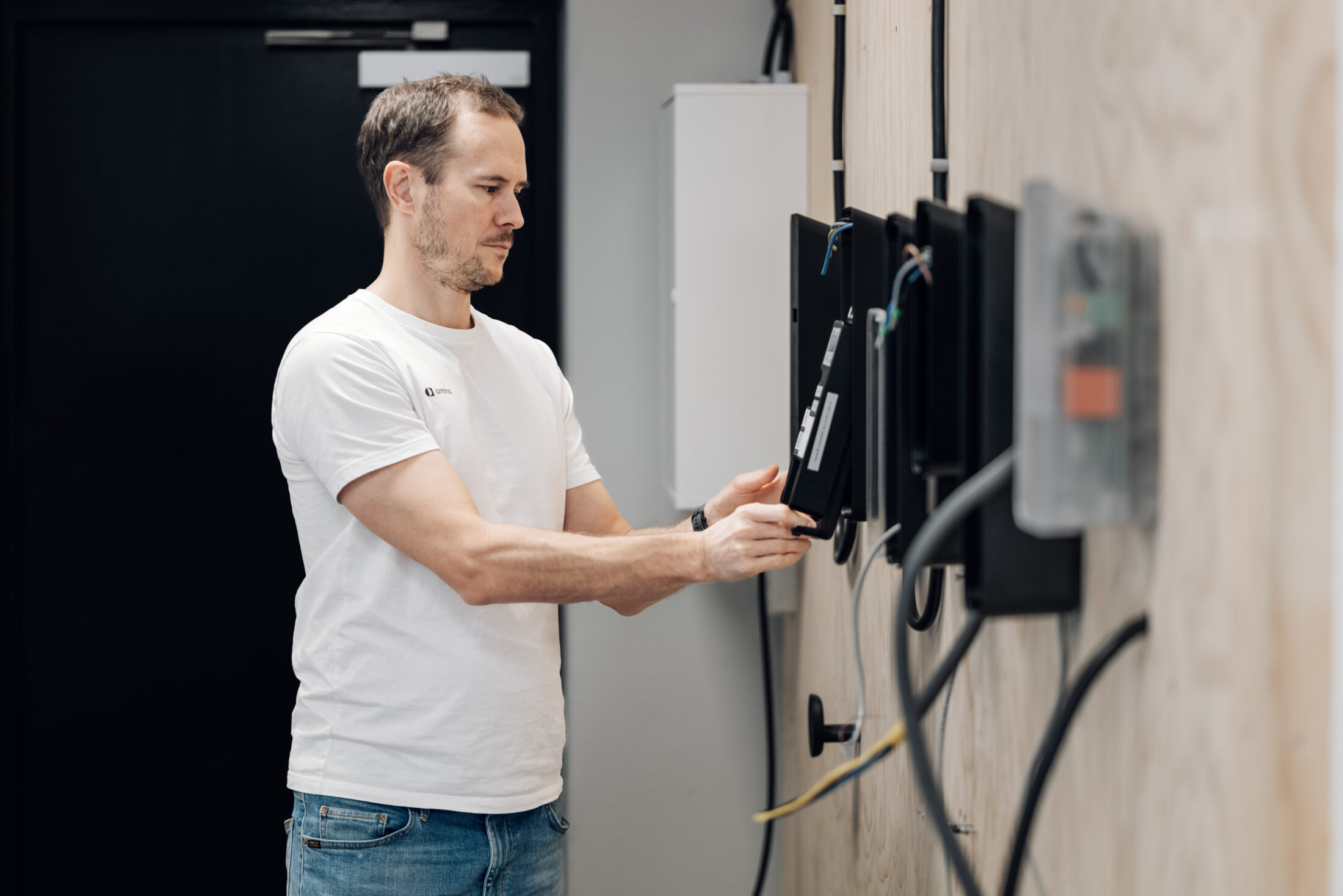
A better business case
For CPOs, TCO isn’t about spreadsheets – it’s about staying competitive. A charger that’s faster to install, cheaper to maintain, and built to last doesn’t just save money. It frees up capital to grow the network.
“Even with amina products, EV charging will remain a low-margin business,” says Tveterås. “The operators who succeed are the ones with a clear strategy and streamlined operations. They don’t try to be everything for everyone – they find their niche and build an efficient value chain around it.”
And despite the dry-sounding acronym, TCO is something he genuinely cares about. “In product development, it’s easy to fall in love with technology and forget what problem you’re solving,” he says.
“I try to stay up in the helicopter view – from that perspective, TCO is anything but boring.”
Being a CPO will always be expensive. But with the right hardware, it doesn’t have to be painful. amina C and amina M – built for lower TCO and higher uptime.
Power in Simplicity.

Related