AC vs DC bidirectional charging: what is the difference?
AC vs DC bidirectional charging explained: where power conversion happens, what each system requires and how to choose between the two.
AC vs DC bidirectional charging: the short answer
The difference is where power conversion happens. An EV battery stores DC electricity, while homes, buildings and the public grid use AC. In an AC system, the vehicle normally converts power through a bidirectional onboard charger or inverter. In a DC system, conversion sits in the off-board charging equipment.
Neither label guarantees V2G, V2H or V2B. Vehicle, charger, firmware, communication, energy software, metering, protection and grid connection must all support the job.
How AC bidirectional charging works
An AC wallbox supplies alternating current to the vehicle. To export energy, the vehicle needs onboard electronics that can run in reverse and turn battery DC into grid-compatible AC.
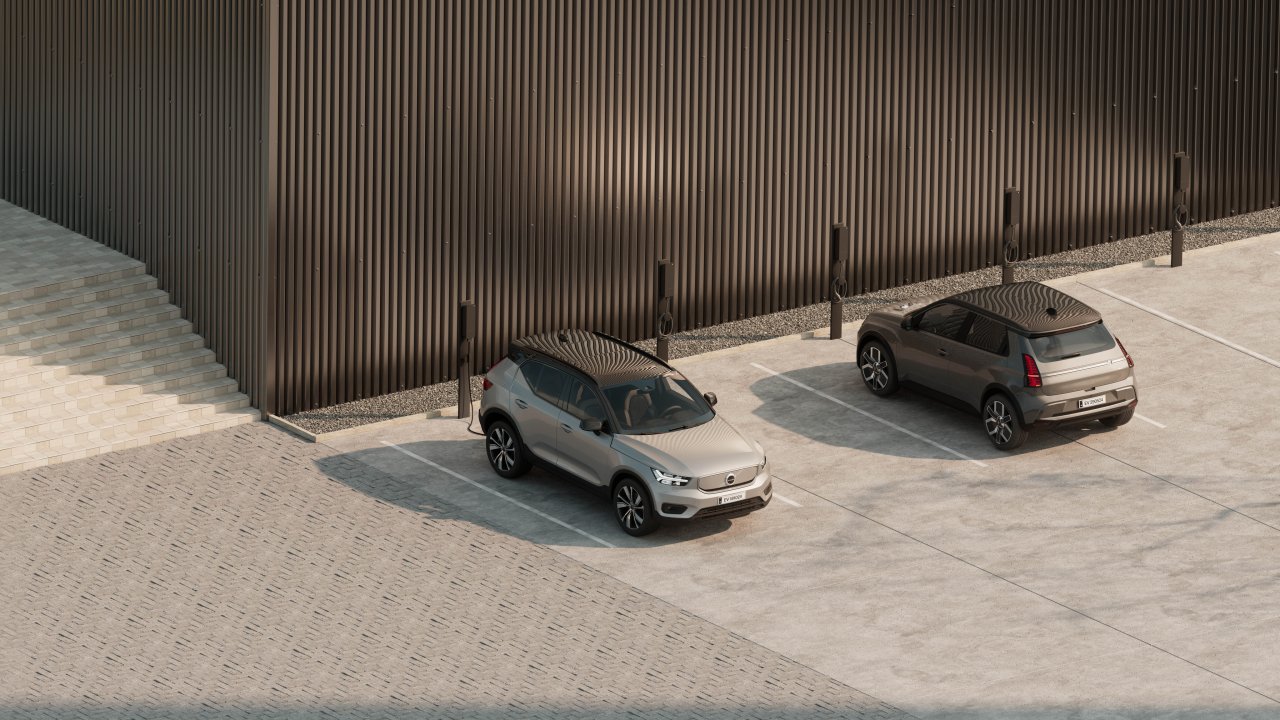
This can suit lower-power charging at homes, workplaces and apartment buildings because much of the conversion hardware remains in the vehicle. Compatibility is tied closely to that vehicle. An AC charger cannot make a one-way onboard charger export.
How DC bidirectional charging works
DC charging bypasses the vehicle’s onboard AC charger during power transfer. A bidirectional DC charger exchanges DC with the battery and uses an external inverter to convert exported energy into AC for the site or grid.
Off-board conversion can give the equipment designer more control and support higher power than a typical AC wallbox. It also tends to mean larger equipment, more space and closer planning for protection, cooling and grid connection. Cost and efficiency depend on the product and site, not simply the letters AC or DC.
CharIN’s DC bidirectional interoperability guide covers ISO 15118-20 communication. It does not replace the electrical safety and product requirements of a working system.
Bidirectional charging, V2G and V2H explained

Is AC or DC bidirectional charging better?
Neither route wins everywhere. AC can fit distributed, lower-power sites when compatible vehicles provide onboard conversion. DC may suit projects needing off-board conversion, different vehicle interfaces or higher site power.
Before choosing, check:
- supported vehicles, connectors and firmware;
- maximum charging and export power, including phase requirements;
- where the inverter, heat and maintenance burden sit;
- metering, anti-islanding protection and export limits; and
- active standards, backend functions and grid approvals.
The UK V2X Innovation Programme includes both: V2VNY demonstrates AC V2G, V2B and V2V, while Papilio3 uses a 30 kW DC V2X microgrid. AC and DC describe architecture, not the end use.
Standards and software still matter
ISO 15118-20 defines communication between EV and charging equipment for bidirectional transfer. It does not choose a tariff, control a building or grant export permission. OCPP covers the separate charger-to-CPMS link. Energy and grid functions may sit elsewhere.
How amina C2, M2 and S2 fit
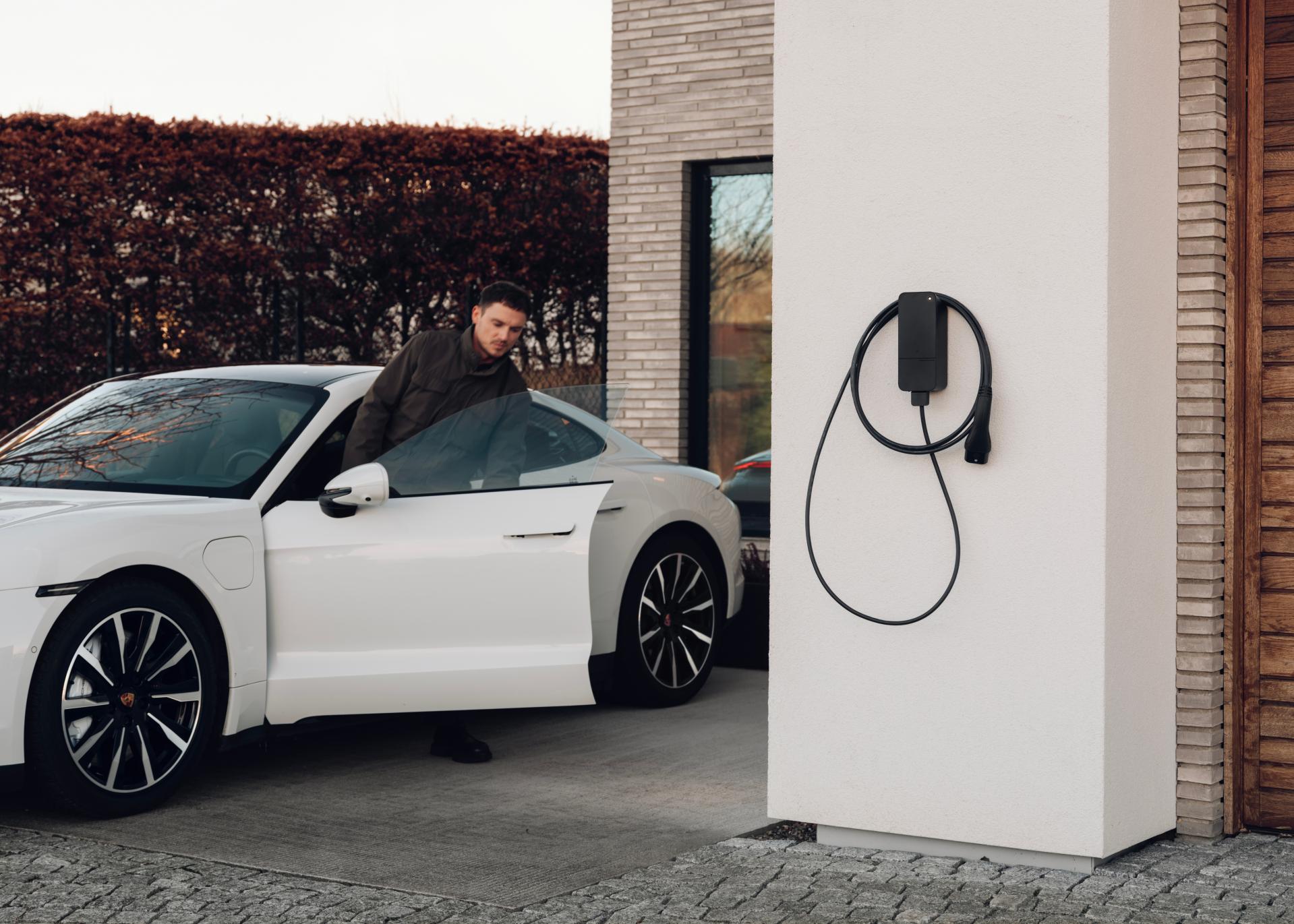
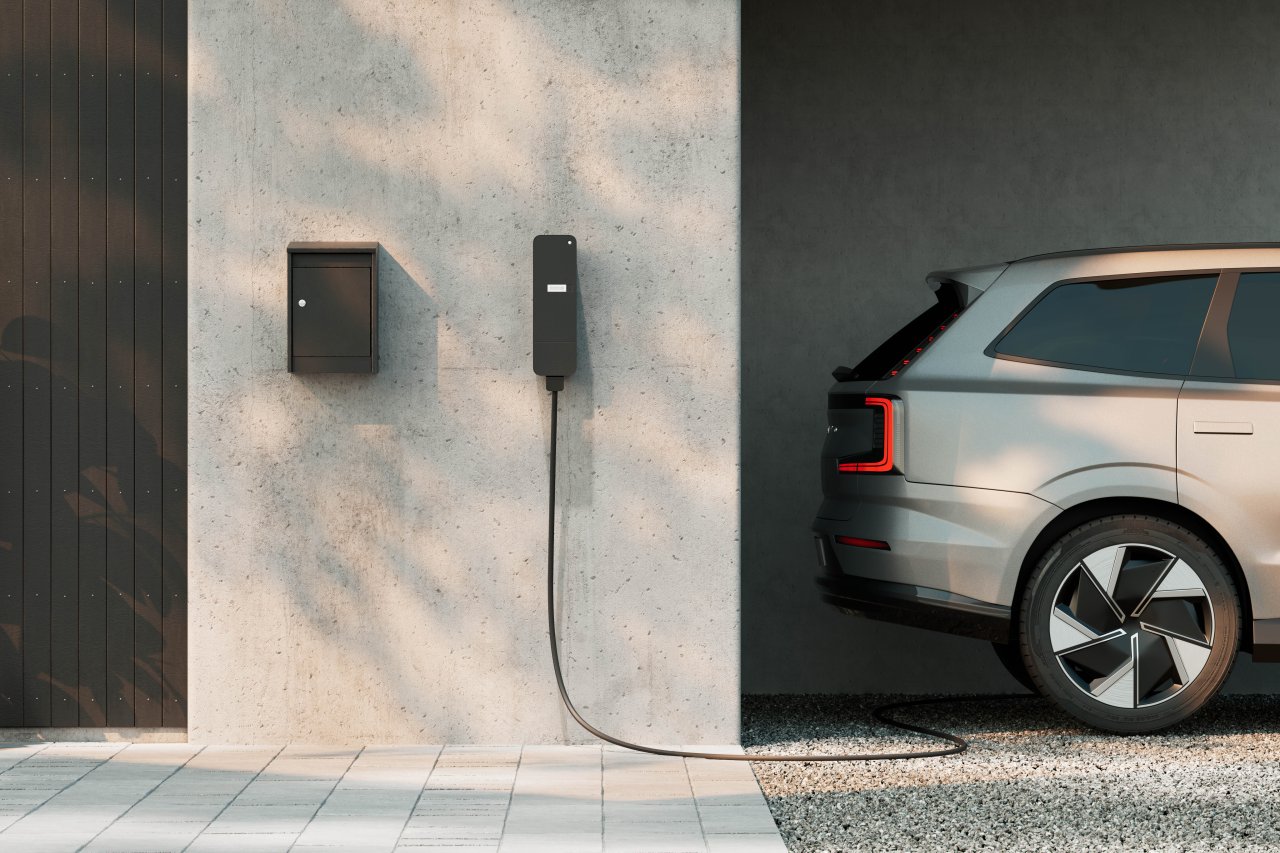
amina C2 and amina M2 are AC platforms with hardware prepared for ISO 15118-20, Plug & Charge and bidirectional charging. amina S2 is also AFIR ready and ISO 15118-20 compliant. A live AC export service still needs a vehicle with compatible onboard power electronics and firmware, plus suitable control software and an energy partner.
amina M2 also provides MID-certified metering, Ethernet, Modbus RTU and local load balancing. Those aid commercial integration and local energy control. They do not make the vehicle or site bidirectional.
Related