Bidirectional EV Charging Explained: V2G, V2H and ISO 15118-20
At 18:00, a fleet returns to its depot just as electricity demand climbs. Conventional charging adds another load. Bidirectional EV charging gives the operator a second option: hold charging, use available vehicle energy where the rules allow it, then refill the batteries later.

What is bidirectional EV charging?
Bidirectional EV charging allows electricity to move both into an electric vehicle battery and back out again. Depending on the system, stored energy can supply a home or building, support the grid or reduce demand at expensive times.
The charger cannot do this alone. The vehicle, charger, communication standards, backend or energy-management system, metering and local grid rules must all support the intended service.
V2G, V2H, V2B and V2X explained
- Vehicle-to-grid (V2G) exports energy to the public grid, normally under the control of an energy supplier or aggregator.
- Vehicle-to-home (V2H) supplies a house, either to reduce grid imports or, where the installation supports it, provide backup power.
- Vehicle-to-building (V2B) supplies a workplace, depot or apartment building.
- Vehicle-to-everything (V2X) is the umbrella term for these uses.
How does bidirectional charging work?
A working system needs five elements:
- a vehicle that permits energy to leave its battery;
- a charger designed for the required two-way power flow;
- ISO 15118-20 communication between vehicle and charger;
- a CPMS, energy-management system or aggregator that decides when charging or export should happen; and
- protection, metering, connection agreements and market rules that permit export.
OCPP 2.1 supports the separate communication between the charger and its management system, including functions for ISO 15118-20, bidirectional charging and distributed energy resources.
ISO 15118: Plug & Charge, smart charging and V2G
AC and DC bidirectional charging
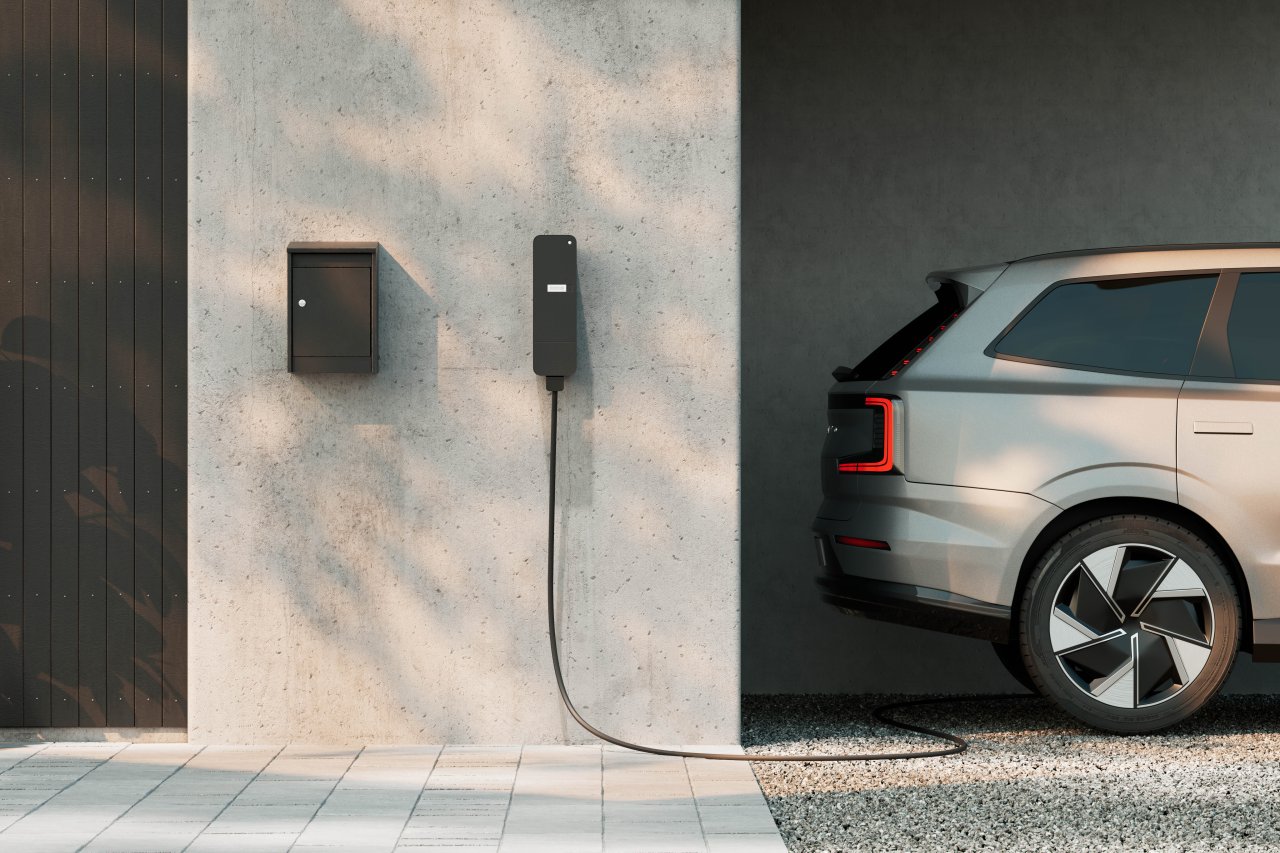
In DC systems, power conversion normally sits in the charger. In AC systems, the vehicle generally needs a bidirectional onboard charger or inverter to convert battery DC into grid-compatible AC. An AC wallbox cannot make a vehicle export if its onboard hardware and software do not support it.
Why bidirectional charging matters
For homes and commercial sites, stored vehicle energy could reduce peak demand, increase the use of local solar and provide backup power. At network level, pooled vehicles could supply flexibility services. The result depends on tariffs, plugged-in time, conversion losses, battery limits and local market rules. V2G is an opportunity, not automatic income.
What should “V2G ready” mean?
Buyers should ask what the claim covers:
- Is the required communication hardware fitted?
- Is support intended for AC, DC or both?
- Which vehicle and firmware combinations have been tested?
- Can the chosen CPMS use the required functions?
- How will imported and exported energy be measured?
Readiness is not the same as an active service. Vehicle support remains model-specific, and grid approval and commercial arrangements vary by country.
How amina C2, M2 and S2 fit
amina C2 and amina M2 are AC charging platforms with hardware prepared for ISO 15118-20, Plug & Charge and bidirectional charging. They use local OCPP and are designed to work with the operator’s chosen specialist software and energy partners. amina S2 is also AFIR ready and ISO 15118-20 compliant.
amina M2 adds MID-certified metering, Ethernet, Modbus RTU and local load balancing for sites where billing and local energy control are required. A live bidirectional service still depends on compatible vehicle hardware, firmware, backend control, energy orchestration and local approval.
Related