What Is a Type 2 EV Charger? Speeds, Cables, Home Charging
The Type 2 charger is the most widely used EV charging standard across Europe, found in both home and public charging stations. In this guide, you will learn what a Type 2 charger is, how it works, how it differs from other types, and what to consider when installing one at home.

What is a Type 2 charger?
A Type 2 charger refers to the European plug standard for electric vehicles, developed under the IEC 62196-2 specification. It has become the default connector for most new EVs and plug-in hybrids sold across Europe.
The seven-pin Type 2 connector is designed for alternating current (AC) charging and is now standard for both home and public charging stations.
Key features
- Compatible with nearly all modern European EVs and plug-in hybrids.
- Seven-pin connector designed for AC charging.
- Suitable for both home and workplace installations.
For partners and installers, this universality means less complexity when recommending solutions. The Type 2 standard ensures compatibility with virtually every new EV in Europe, making it the most reliable and future-proof option for residential charging.
Is a Type 2 charger AC or DC?
A Type 2 charger is an AC charger. The connector carries alternating current from the grid to your car, where the vehicle’s onboard charger converts it into the direct current (DC) the battery stores. This is why AC charging speed is capped by your car’s onboard charger, not by the charging point alone.
For rapid DC charging, the same connector is extended into a CCS plug, known as CCS Combo 2 in Europe. It adds two large DC pins below the standard Type 2 connector, letting public rapid chargers bypass the onboard charger and deliver far higher power. In everyday terms: you use the Type 2 (AC) part at home and at most destination chargers, and the CCS (DC) part at motorway rapid chargers. The inlet on the car keeps the familiar Type 2 shape, so there is nothing extra to think about day to day.
Is Type 2 a fast charger?
Type 2 chargers offer different charging speeds depending on both the power supply and the vehicle’s onboard charger. At home, they typically deliver between 3.7 kW and 22 kW, depending on whether the property has single-phase or three-phase power.
Type 2 charger speeds for home use
- 3.7 kW: adds around 17 km of range per hour of charging.
- 7.4 kW: adds around 35 to 40 km of range per hour of charging.
- 11 kW: adds around 55 to 60 km of range per hour of charging.
- 22 kW: adds around 100 km of range per hour of charging.
A 7.4 kW Type 2 charging station will typically recharge a medium-sized EV in 6 to 8 hours, making it ideal for overnight use. Three-phase charging stations (11 kW or 22 kW) can cut that down to between two and four hours, depending on the car model and battery size.
For homeowners, Type 2 charging is a dependable and efficient everyday solution. For partners, it provides the flexibility to match each installation to the customer’s grid capacity and driving needs.
Type 1 vs Type 2 chargers: what is the difference?
Understanding how Type 1 and Type 2 chargers differ helps both customers and partners make the right choice for compatibility and installation.
Type 1 charger
- Common in North America and parts of Asia.
- Five-pin connector for AC charging.
- Typically found on older or imported vehicles.
Type 2 charger
- The European standard for AC charging.
- Seven-pin connector supporting flexible power levels up to 22 kW.
- Compatible with most EVs sold across Europe.
For customers, a Type 2 charger ensures access to the majority of public charging networks and future-proof compatibility. For partners, it provides a single, universal standard that covers nearly every modern EV model in Europe.
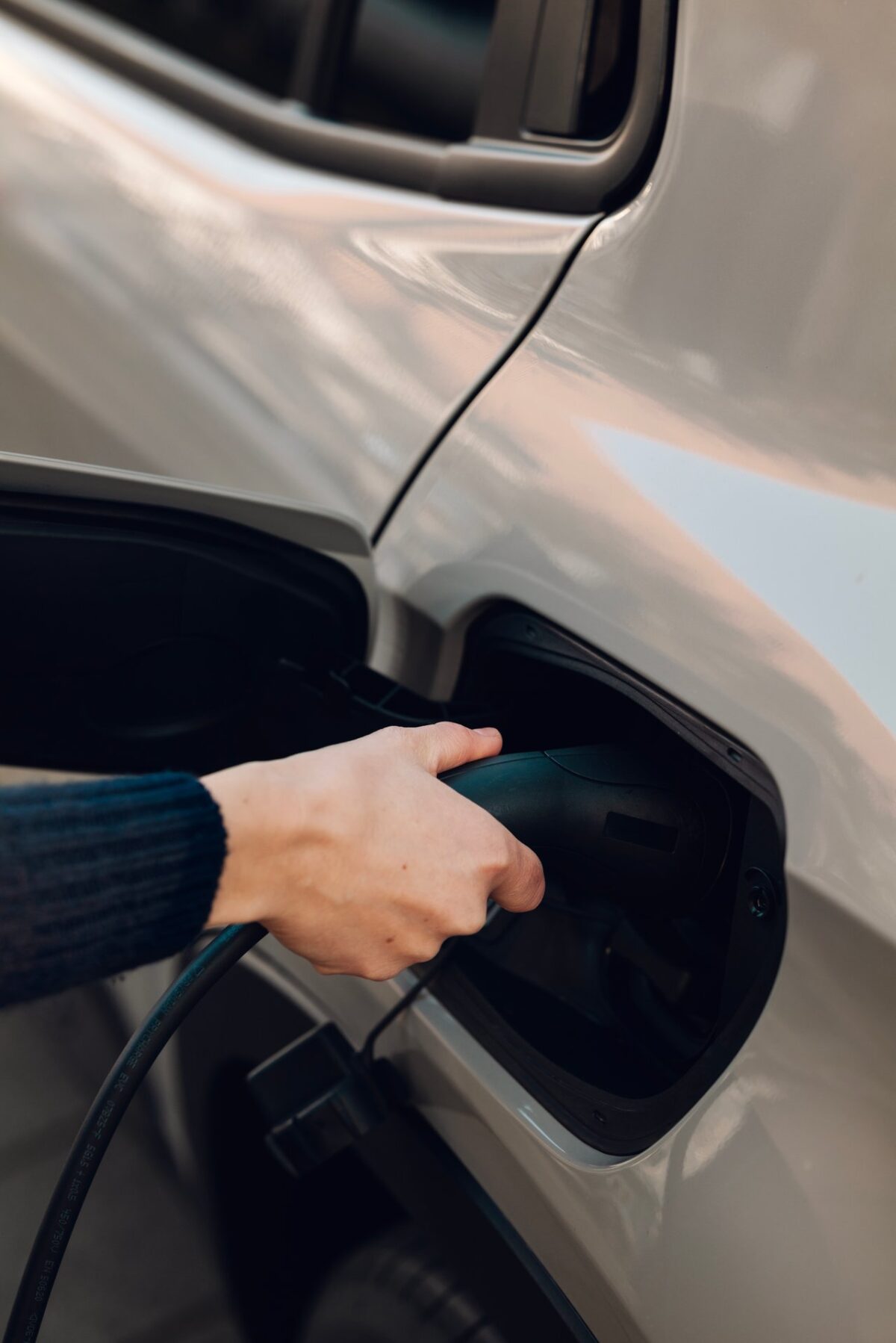
Tethered vs untethered: do Type 2 chargers come with a cable?
This depends on the charger model, and it is one of the main choices when buying a home charger.
Tethered chargers
- Come with a fixed Type 2 cable attached to the unit.
- Convenient for daily use, as the cable is always there and ready to plug in.
- The cable length and connector type are fixed.
Untethered (socket) chargers
- Have a socket only, so you supply your own Type 2 cable.
- Let you choose the cable length and swap it if your needs change.
- Keep the unit tidier, with the cable stored away when not in use.
Public charging stations usually require drivers to bring their own Type 2 cable, so customers should always check whether their chosen charging station includes one. For partners and resellers, offering both tethered and untethered options allows flexibility and meets different customer preferences.
Key benefits of Type 2 home chargers
The Type 2 connector has become the European benchmark for electric vehicle charging for several reasons.
Compatibility with European standards
Type 2 chargers work with nearly every EV on the European market, ensuring smooth and consistent operation without the need for adapters.
Flexible charging speeds
With charging capacities ranging from 3.7 kW to 22 kW, Type 2 chargers can be matched to each home’s power setup and driving pattern.
Ease of use
The plug design is universal and easy to handle. Connect the charger and your EV begins charging automatically. It is straightforward, reliable and well suited to daily routines.
Tips for installing and using a Type 2 home charger
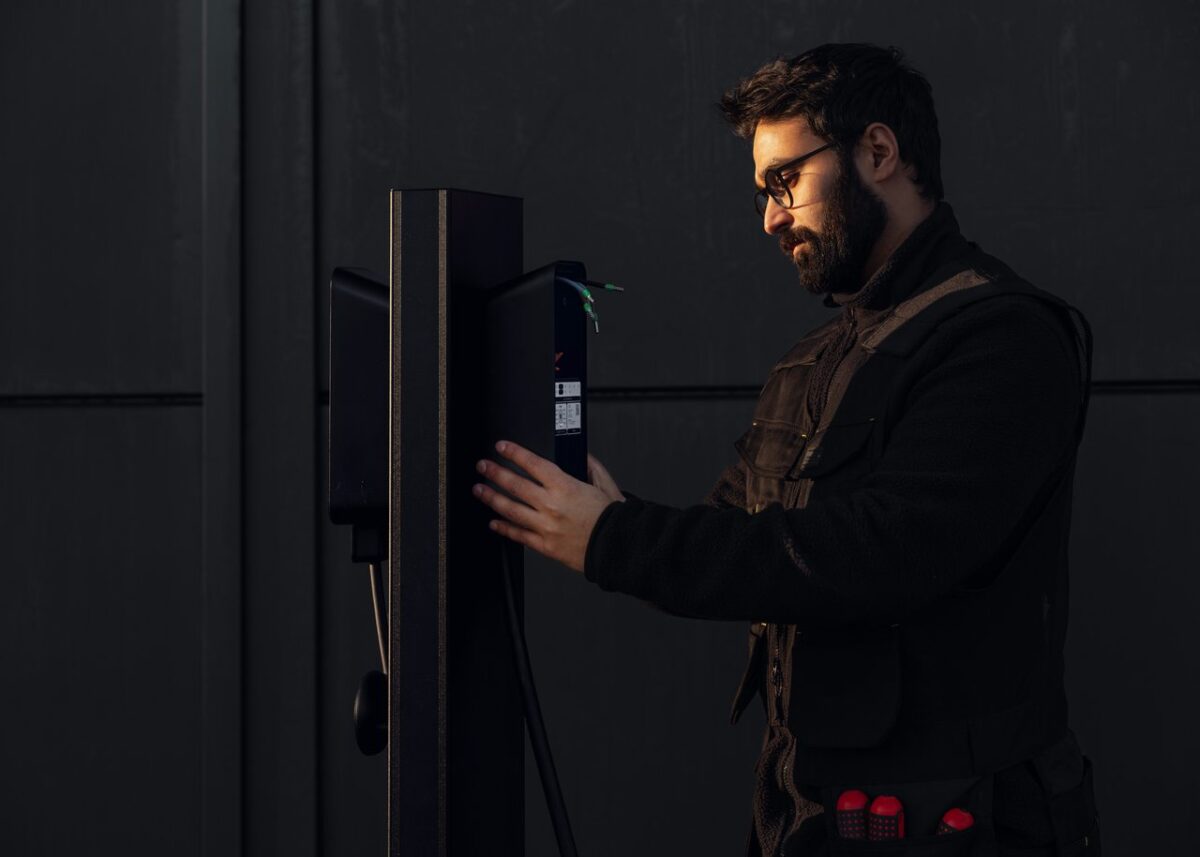
For electricians, resellers and installers, following a few simple principles ensures a safe and efficient installation.
- Check power compatibility: verify whether the property supports single-phase or three-phase power before installation.
- Prioritise safety and compliance: always follow local electrical standards and safety regulations.
- Educate the customer: give clear guidance on everyday operation, load management and cable care for long-term reliability.
Want to know how to install a charger at home?
Frequently asked questions about Type 2 chargers
How fast is a Type 2 charger?
Type 2 chargers deliver between 3.7 kW and 22 kW, which typically equates to 17 to 100 km of range added per hour of charging. They are not as fast as commercial DC rapid chargers, but they are ideal for regular home use.
Is a Type 2 charger AC or DC?
Type 2 is an AC connector. For DC rapid charging, the connector is extended into a CCS Combo 2 plug with two extra pins. At home you charge on AC through the Type 2 connector.
Is Type 2 the same as CCS?
Not quite. CCS Combo 2 builds on the Type 2 connector by adding two DC pins beneath it. The upper part keeps the standard Type 2 shape used for AC charging, so a Type 2 cable still fits the AC portion of the socket.
What is the difference between Type 1 and Type 2?
Type 1 connectors have five pins and are mainly used in North America and Asia. Type 2 connectors have seven pins and are the standard in Europe, supporting a broader range of EVs and higher charging speeds.
Can I charge any EV with a Type 2 charger?
Nearly all EVs and plug-in hybrids sold in Europe use the Type 2 standard for AC charging, so a Type 2 charger works with the large majority of cars on the road. A small number of older or imported vehicles use a Type 1 inlet and need a Type 1 to Type 2 cable.
Do I need a Type 2 cable with my charger?
It depends on the model. Some chargers, like amina S and C, come with an integrated cable, while others, like amina 1, use a socket design so you can choose your own cable type and length.
Related

