Why should I charge my car at night?
There is a lot to get familiar with when you buy your first electric car, and one of the first questions is when to charge it. Electricity prices change through the day, and the cheapest hours usually pass while you sleep. This guide covers what night charging saves, whether charging every night harms the battery, and how to set it up so it happens automatically.

Why charge an EV at night?
Charging at night is useful when electricity costs less outside peak hours and the car will remain parked long enough to finish. It can also move a large household load away from the busy early-evening period. The benefit comes from the tariff and the available capacity, not from darkness itself.
On a flat-rate contract, each kWh costs the same at 02:00 as it does at 18:00. Check the tariff’s actual off-peak window before setting a schedule.
When is the cheapest time to charge?
There is no universal best hour. Time-of-use tariffs may offer a fixed overnight window, while dynamic tariffs can change every hour or half-hour. The lowest period can vary by day and market.
A schedule is enough for a predictable price window. A smart-charging system can respond to changing prices, but it needs access to the relevant tariff data and a charger, vehicle or service that can follow the plan.
Is overnight EV charging safe?
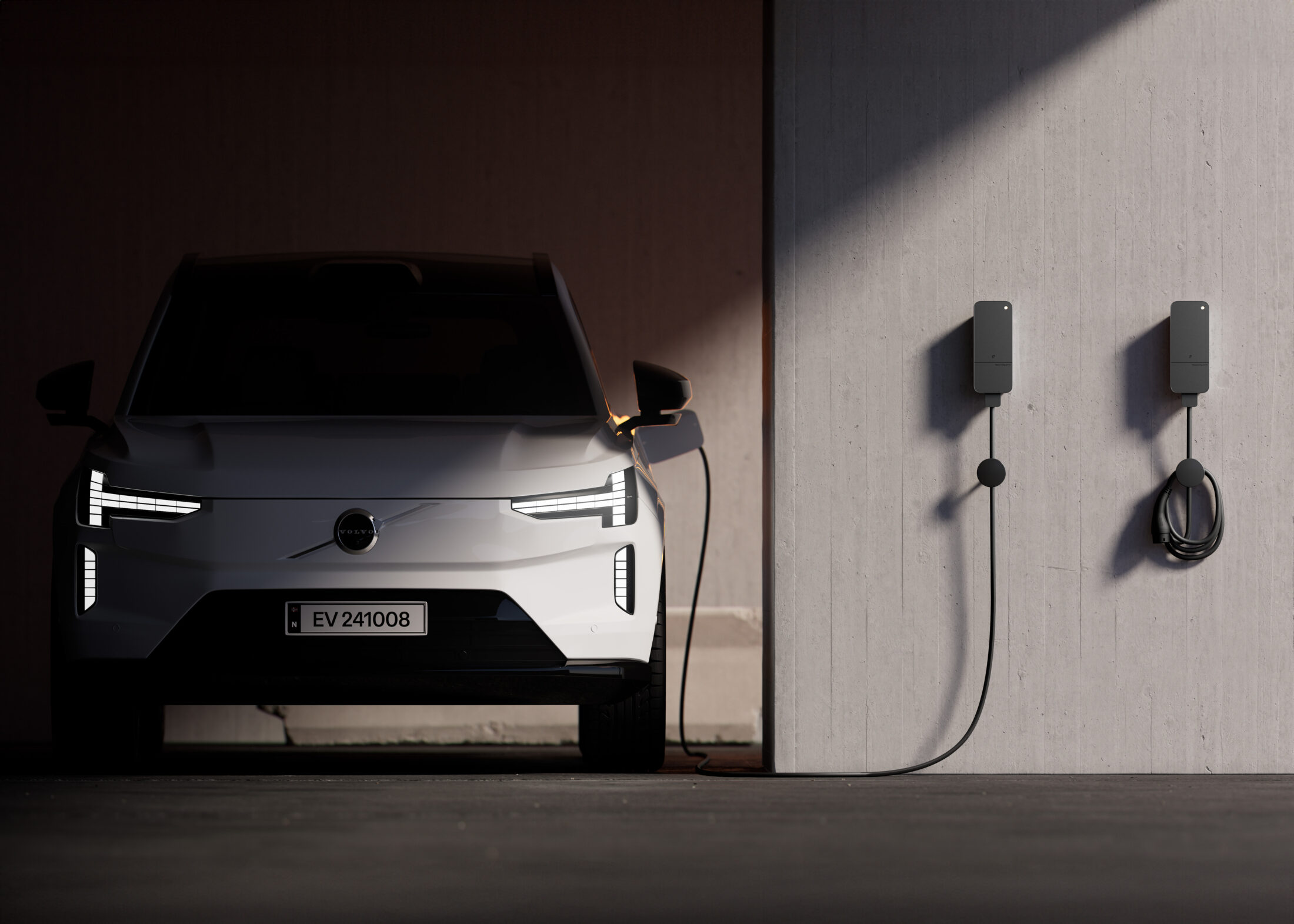
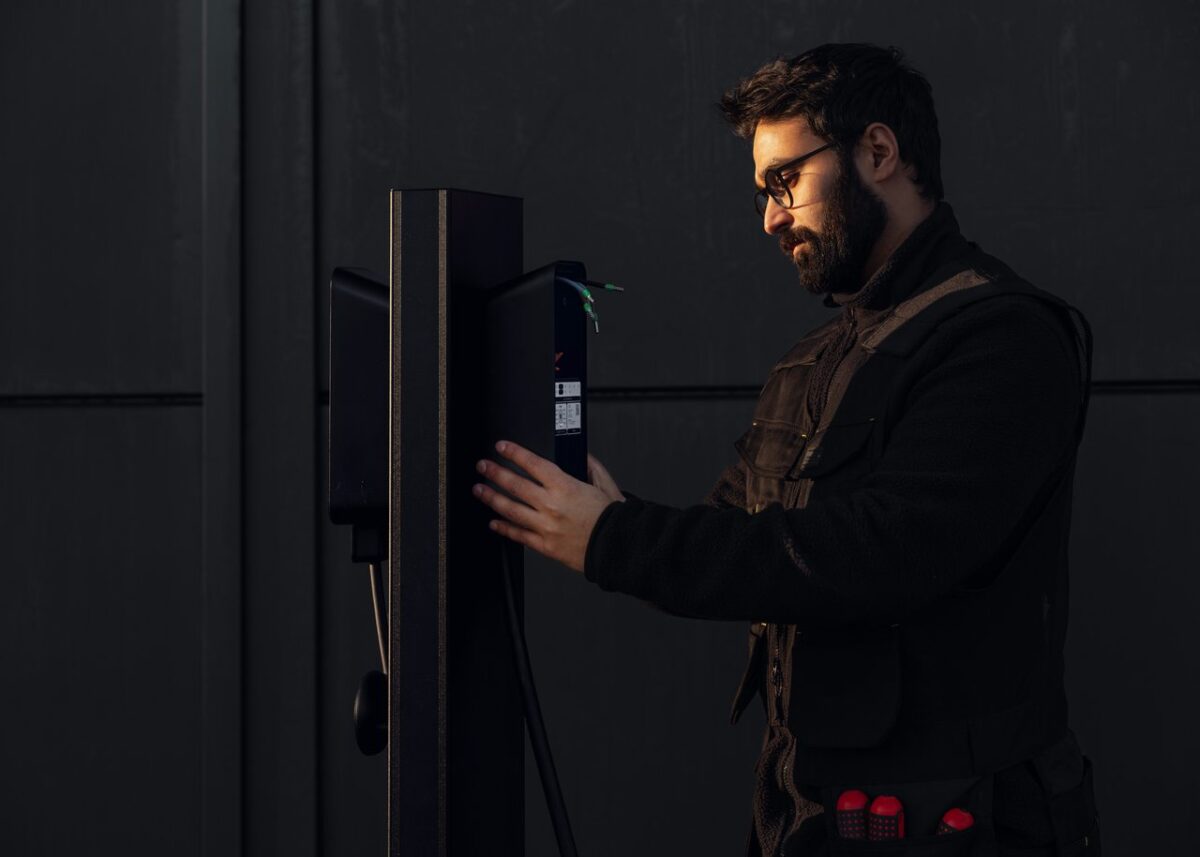
A correctly installed Mode 3 charging station is designed for unattended charging. The installation must have the required circuit protection, cable rating and fault protection for the market. A competent installer should confirm these details.
Regular overnight use of a household socket is a different case. Domestic sockets and wiring vary, and long, high-current sessions can expose weak connections. Follow the vehicle and local electrical guidance rather than treating an extension lead as permanent charging equipment.
amina S
Made for your car, designed for your house

Should I plug in every night?
You can plug in whenever it suits your routine. The vehicle stops charging at the limit you set, so being connected does not mean it continuously draws full power.
The appropriate daily charge limit depends on the battery chemistry and the manufacturer’s instructions. Many vehicles recommend a lower everyday limit and a full charge before a longer journey, while some LFP batteries have different guidance. Night charging is not inherently better or worse for the battery. Charge level, temperature, power and time spent at a very high state of charge matter more.
Can night charging reduce demand peaks?
Often, but only if other loads are considered. A car, water heater and heat pump can still create a high peak if they all start together after midnight. Dynamic load balancing measures the property’s demand and reduces EV charging when the available capacity falls.
Charging slowly over a longer parked period may be sufficient for the next journey and can make it easier to remain within a site limit. It cannot change the maximum power available from the installation or accepted by the vehicle.
How to set up night charging
- Confirm the tariff window and whether a compatible smart meter is required.
- Set a departure time or charging window in the vehicle, charger or energy app.
- Choose a sensible charge limit from the vehicle manufacturer’s guidance.
- Check that the schedule does not conflict with another controller or app.
- Allow enough time and include a fallback for an unusually early journey.
When is daytime charging better?
Daytime can be preferable when onsite solar would otherwise be exported, when the tariff is cheaper then, or when the car must leave before an overnight session can finish. The practical rule is simple: charge while the vehicle is parked, electricity is suitable for the tariff, and the required energy will be ready before departure.
Related