How many amps does an EV charger use?
The number of amps an EV charger uses depends on the electrical installation, the available supply at the property, and how the charger is configured. In European homes, the most common setups are as follows.
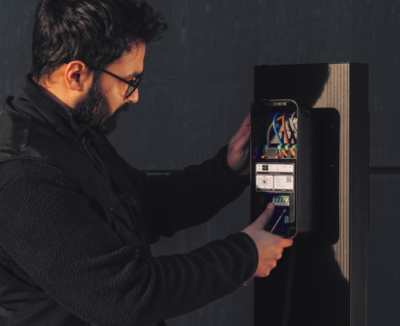
Single-phase EV charging amperage
10 amp EV charging
-
Low charging power
-
Rarely used for permanent home EV charging
-
Typically only suitable for temporary or emergency charging
16 amp single-phase EV charging
-
Common in older electrical installations
-
Provides up to 3.7 kW of charging power
-
Suitable for overnight charging with lower daily mileage
Three-phase EV charging amperage
16 amp three-phase EV charging
-
Common where three-phase power is available
-
Delivers up to 11 kW
-
A popular balance between charging speed and installation requirements
32 amp three-phase EV charging
-
Requires a higher-capacity electrical installation
-
Delivers up to 22 kW
-
Ideal for faster charging and higher daily driving needs
What amperage do amina EV chargers support?
Amperage options supported by amina chargers
EV chargers from amina charging are designed for European power grids and can be configured for:
-
16 A or 32 A
-
Single-phase or three-phase
How is amperage controlled on an amina EV charger?
We have partnered with multiple smart home and smart charging providers.
The amperage is managed through the these providers which are connected to the amina charger.
There, the installer or user sets the maximum current the charger is allowed to draw, ensuring charging stays within the limits of the home’s electrical capacity.
EV charger amperage summary
Key takeaways on EV charger amps
- Most homes charge at 16 A
- Three-phase 16 A (11 kW) is common where available
- 32 A enables faster charging but requires suitable infrastructure
- Amperage settings are controlled via the app linked to the amina charger
Related


