ERE Certification EV Charger: Everything You Need to Know (2026)
From 1 January 2026, Dutch legislation changed in a way that directly affects anyone who owns, installs, or manages an EV charger. The new ERE system means your charge point can generate revenue — but only if the hardware is MID-certified. Here is what you need to know, and how the amina M fits in.
What is ERE certification for EV chargers in the Netherlands?
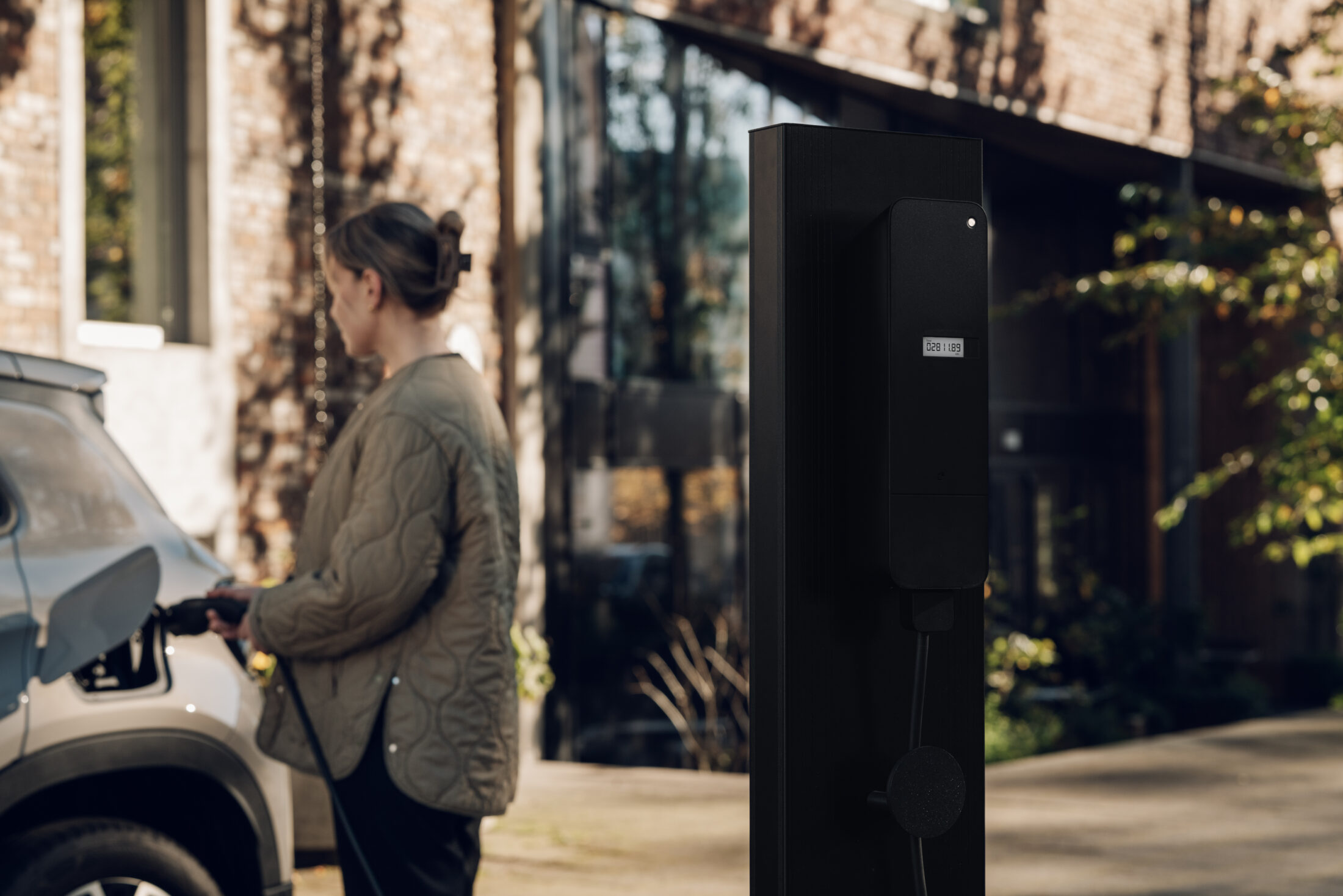
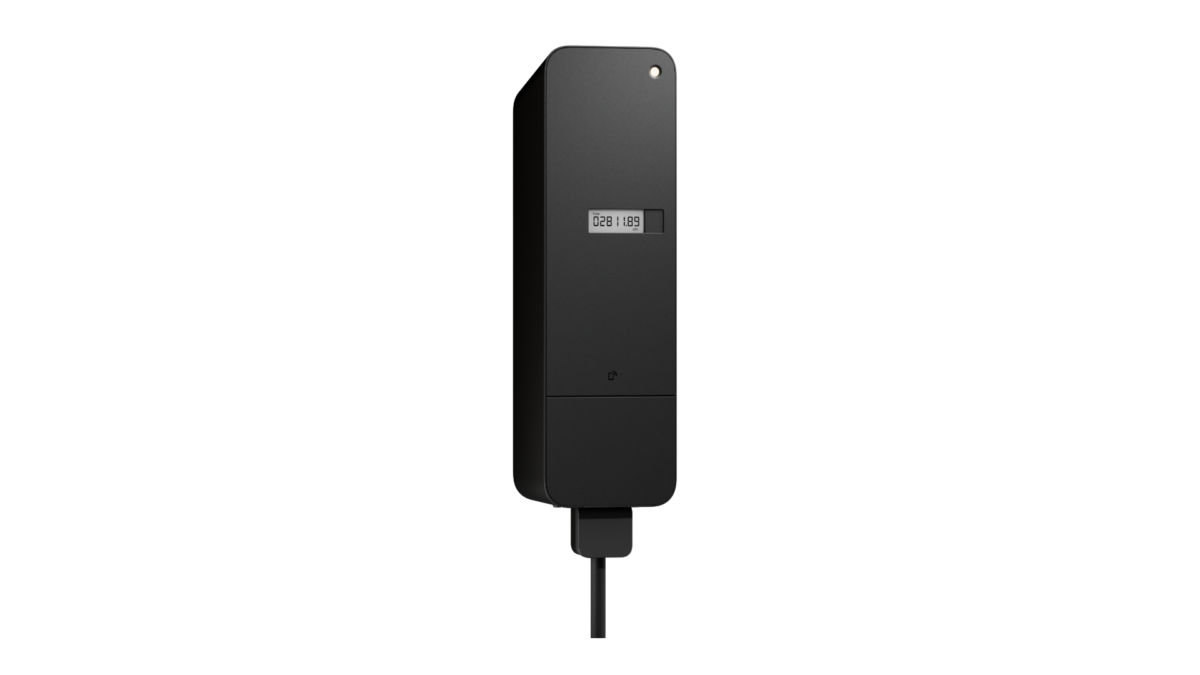
One hard requirement: your charger must have an inbuilt MID-certified meter. MID stands for Measuring Instruments Directive, a European standard for energy measurement accuracy. The meter must be built into the charger. A separate meter in the fuse box does not qualify.
Does the amina M qualify for ERE certification?
MID certified EV charger – ready for revenue generation
Frequently Asked Questions: ERE Certification and the amina M
What is the difference between ERE and HBE?
HBE ran until the end of 2025. ERE took over on 1 January 2026. The technical shift matters: HBE measured energy content in gigajoules, ERE measures actual CO₂ reduction. For pure electric charging that is a better deal — no combustion means a cleaner calculation. ERE also opened the scheme to home chargers and smaller businesses. Under HBE, only large-scale operators could participate.
Who can register for ERE certificates?
What is an inboekdienstverlener?
An inboekdienstverlener is an NEa-approved party that registers your charging data with the Dutch Emissions Authority on your behalf. You cannot go direct to the NEa. It has to go through one of these approved organisations. They handle the paperwork, sell your certificates to fuel companies, and pay you the proceeds minus a service fee. You can only use one inboekdienstverlener per charger — no double-dipping.
How much can you earn from ERE certificates?
Does the amina M support automatic data reporting?
Who owns the ERE certificates — the charger owner or the building owner?
What data do you need to provide for ERE registration?
Is there any cost to register?
Can a VvE charger qualify?
Where to buy amina M
Our partners in the Netherlands can help you with the charger, installation, and backend.
What happens if I change my charger mid-year?
Can I combine ERE income with other subsidies or tax incentives?
Why MID certification matters when buying a charger
How to register an amina M for ERE
Want to know more about the amina M?
Related