EV charging billing software: how sessions and tariffs work
EV charging platforms combine authorisation, charger events, meter readings and tariff rules to create a priced session, payment record or invoice.
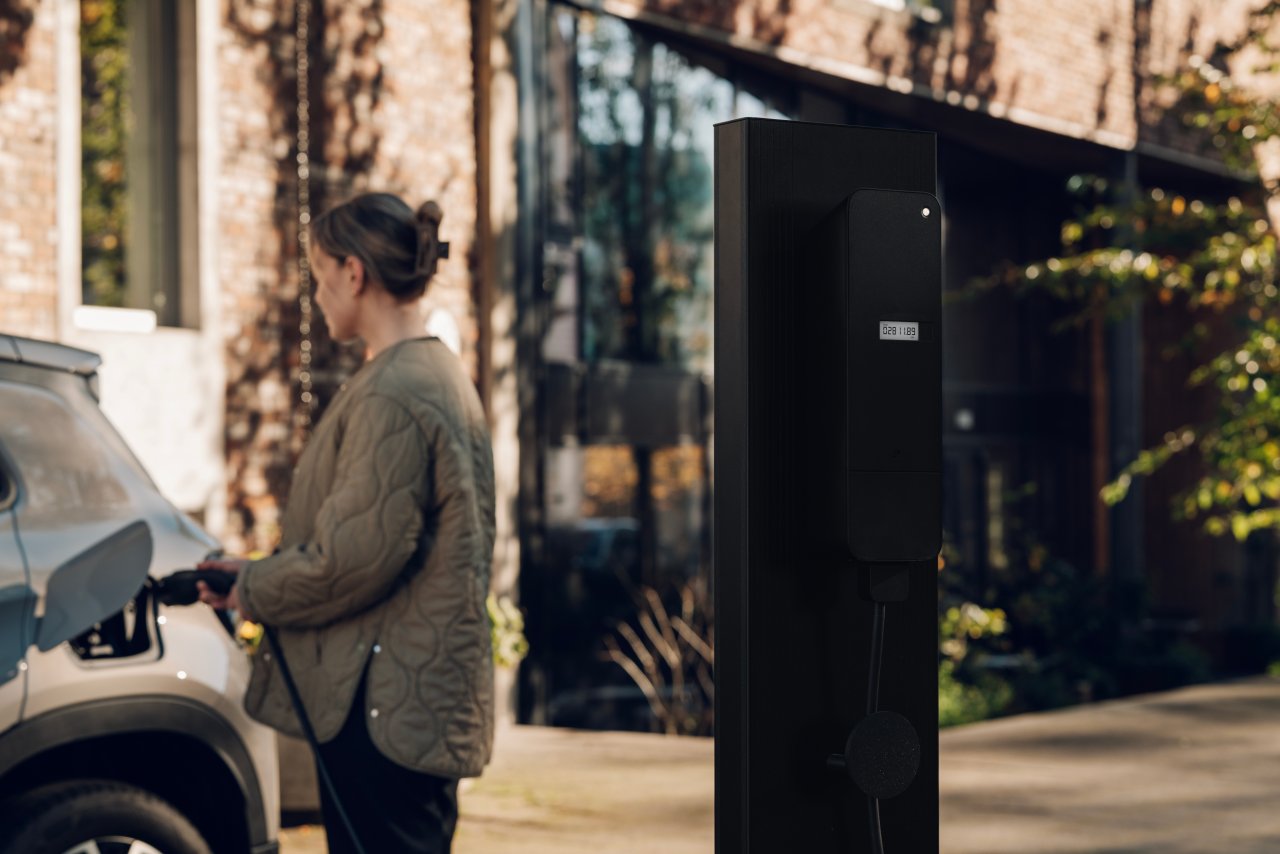
From authorisation to a charging session
EV charging billing software rarely prices a session from one charger message. It follows the session from authorisation to a final record, applies the tariff, then passes the result to payment, invoicing or reimbursement systems.
A driver may identify themselves with an app, RFID card or another credential. The charge point management system (CPMS) returns an authorisation decision and records the charger and connector. The charger reports the transaction start, meter values, status changes and the reason it ended.
What a session record contains
Fields vary by platform and protocol version. A useful record normally includes a session identifier, charger, connector, user or contract reference, start and end times, energy delivered, meter readings and stop reason. It also needs the tariff version and tax treatment used.
Operational status and a billable session are different things. A vehicle may stay connected after energy stops, a session may pause, or messages may arrive late after an outage. The CPMS must interpret the sequence without losing or duplicating chargeable data.
How tariff rules are applied
Tariffs may combine a price per kWh, time charge, session fee or idle fee. Rules can vary by location, connector, customer or time. The platform should retain the rule used instead of recalculating old sessions against a new price.
Driver prices, wholesale prices and internal allocations may differ. VAT, rounding, minimum charges, free periods and mid-session price changes need explicit rules. Metering and consumer-pricing requirements also vary by market.
How the session becomes a bill or payment
Once complete, the platform rates the session and creates a final transaction or charge detail record. That record may go to a payment service, monthly account, employer reimbursement process or finance system.
A CPMS may coordinate the flow without being the merchant, payment processor or invoicing system. Decide which system is the financial source of truth, who handles refunds and disputes, and how missing records are reconciled.
EV charging management software: how CSMS and CPMS platforms work

What changes when roaming is involved
In a roaming session, the charge point operator (CPO) runs the charger while an e-mobility service provider (eMSP) holds the driver relationship. The CPO backend shares locations, tariffs, session updates and a final charge detail record with the eMSP, often over OCPI. The eMSP bills the driver; settlement between the businesses follows their contract.
OCPP and OCPI do different jobs. OCPP carries charger-to-CPMS operations. OCPI exchanges roaming information between business platforms.
Where billing errors usually appear
Common causes include missing final meter values, duplicate messages after reconnection, wrong clocks, mismatched tariff versions, tax settings and inconsistent rounding. A sound platform keeps the event history, calculation steps and operator changes needed to explain the result.
How amina fits into the flow
amina charging stations send transaction and measurement data over OCPP to the selected CSMS. The amina OCPP reference lists start and stop transactions and meter values. Its meter-value documentation includes current, active power and cumulative imported energy.
The charger supplies operational evidence. The CPMS and connected commercial systems set the tariff, produce billing records and manage payments. Test that complete path, including offline recovery, before calling a session invoice-ready.
Related